Technology

ATA Policy Update: Telehealth Permanency, Interstate Licensure, and AI at a National Inflection Point

ATA Policy Update

The ATA’s policy update outlines accelerating momentum in telehealth and AI, highlighting federal extensions of Medicare telehealth flexibilities through 2027, continued interstate licensure progress, and emerging state regulations affecting remote patient monitoring and AI in mental health care. It emphasizes that healthcare is at a pivotal moment as AI tools and virtual‑first models expand, while regulatory frameworks remain in flux. The next two years will be critical for generating strong evidence to secure permanent telehealth reforms and ensure safe, scalable, and patient‑centered digital care.

Advancing Digital Transformation in Telehealth: From AI to Interoperability

Advancing Digital Transformation in Telehealth

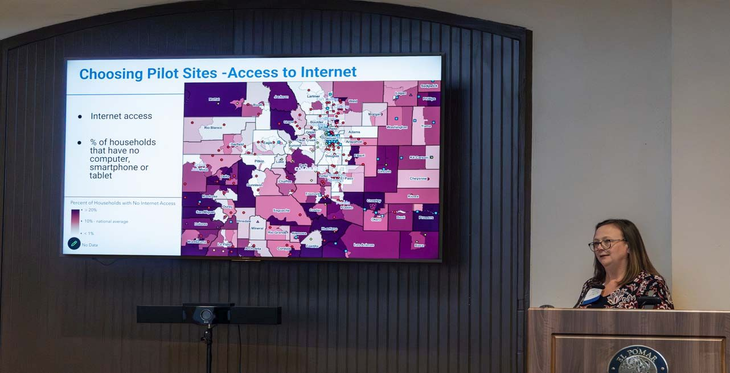
The Digital Transformation SIG meeting emphasized shifting from high‑level digital health concepts to practical, evidence‑driven implementation, highlighting key priorities such as workflow integration, EMR and data interoperability, real‑world AI use cases, and the need to address infrastructure and equity gaps to support scalable telehealth and virtual care innovation.

Summary of 2026 Telehealth & RTM Policy Updates

swtrc

The 2026 policy landscape signals a shift toward "tele-permanence" with the bipartisan FY26 funding package extending Medicare telehealth flexibilities through 2027 and the Hospital-at-Home program through 2030. Key updates include the permanent status of most telehealth codes and more flexible Remote Therapeutic Monitoring (RTM) options, such as new device supply codes for shorter 2–15 day collection periods and a 10–19 minute treatment management code. With FQHC/RHC billing via G2025 extended through 2026 and expanded support for behavioral health, CMS is establishing virtual care as a cornerstone of high-quality rehabilitation.

Loving Your Heart in the Digital Age: Why Telemedicine is the New Beat of Heart Health

Image of heart shape with EKG inside it

February is more than just a month of roses and chocolate. While the world celebrates Valentine’s Day with paper hearts and grand gestures, the American Heart Association (the Association) uses this time to spotlight a different kind of love: the lifelong commitment to your cardiovascular health. As technology evolves, our ability to care for our hearts is no longer confined to the four walls of a doctor's office.

Telehealth Innovations in Rural Health: How AZ, CO, NM, and NV Are Transforming Access Through the CMS Rural Health Transformation Program

CMS RHTI Program Lead Image

In January 2026, as rural healthcare continues to face challenges like geographic isolation, provider shortages, and limited infrastructure, the Centers for Medicare & Medicaid Services (CMS) Rural Health Transformation (RHT) Program stands out as a pivotal initiative. This $50 billion effort awards funds to all 50 states to bolster rural health systems, with a strong emphasis on innovative capabilities like telemedicine and telehealth.

Answering the Call for Rural Health Transformation with Digital Health Innovations

Image credit: © Tasleeemm - stock.adobe.com

The Centers for Medicare & Medicaid Services’ (CMS) “Rural Health Transformation Program (RHTP),” notice of funding opportunity (NOFO), published September 15, 2025, provides States with an historic funding opportunity that seeks to help them transform healthcare delivery for their rural residents.   Each state can separately apply for a portion of $25 billion dollars of “Workload Funding” which is in addition to $25 billion dollars of “Baseline Funding”.

Assistance with virtual visits and technology is available at the VA

Lead

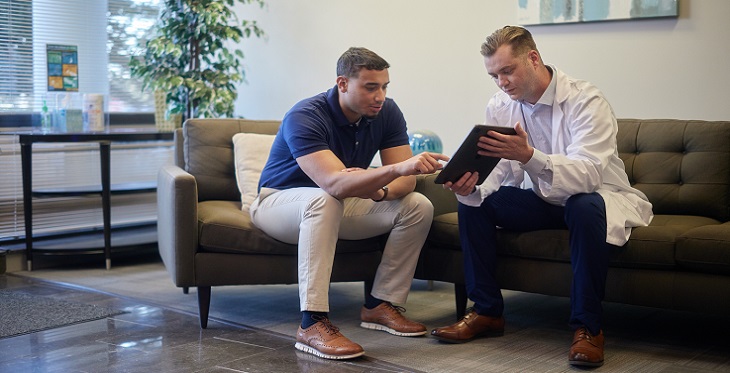
Have you ever had patients say that virtual visits and technology are difficult? Have your patients avoided virtual visits due to their lack of comfort with virtual care? Have your patients ever asked for a resource center or for someone to practice virtual sessions with to overcome any challenges? The Veterans Health Administration has numerous approaches to help veterans with virtual care and technology adoption.

Arizona Telemedicine Program’s Janet Major selected as American Telemedicine Association Fellow

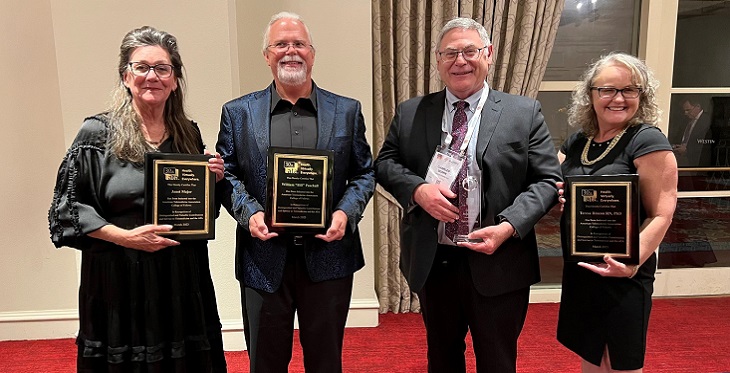
Janet Major, Associate Director for Innovation and Digital Health at the Arizona Telemedicine Program, with William "Bill" Paschall, Senior Vice President with Clear Arch Health; Chuck Doarn, American Telemedicine Association College of Fellows Chair; and Teresa Rincon, Senior Telehealth Consultant with Blue Cirrus Consulting and Assistant Professor at the University of Massachusetts Medical School and Graduate School of Nursing.

Janet Major, Associate Director for Innovation and Digital Health at the Arizona Telemedicine Program, based at the University of Arizona College of Medicine – Tucson, was recently honored as an American Telemedicine Association Fellow during the American Telemedicine Association annual meeting in San Antonio, Texas on Sunday, March 5, 2023.

Each year the Association recognizes members of distinction as new Fellows. Election to the American Telemedicine Association College of Fellows recognizes significant achievements in telemedicine, service to the general telemedicine community, and service to the Association. Joining Major in this year’s class of Fellows are William "Bill" Paschall, Senior Vice President with Clear Arch Health, and Teresa Rincon, Senior Telehealth Consultant with Blue Cirrus Consulting and Assistant Professor at the University of Massachusetts Medical School and Graduate School of Nursing.

The Data Challenge to Prove Telehealth’s Importance Continues

Lead image of report pages

The group chose to focus initially on video visits for those in need of mental health care.  We succeeded in step one: we surveyed 16 mental health provider organizations to find out what data they were collecting, and how success was being measured in 2020.  The organizations ranged from large university medical centers to private practices in nine states.  Not surprisingly, the data and metrics varied widely, even across large university-based systems.

Libraries Add Telehealth to the Rural Communities They Serve

Lead

In the early days of the Covid pandemic, Dianne Connery realized something needed to be done for people in her rural Texas community to help connect folks to their medical appointments.

Connery, director of the Pottsboro Area Library in Pottsboro, Texas, said it started when one woman with pulmonary disease came to the library for help, desperate to meet with her doctor but too high risk to come to his office—a two-hour drive south to Dallas.