

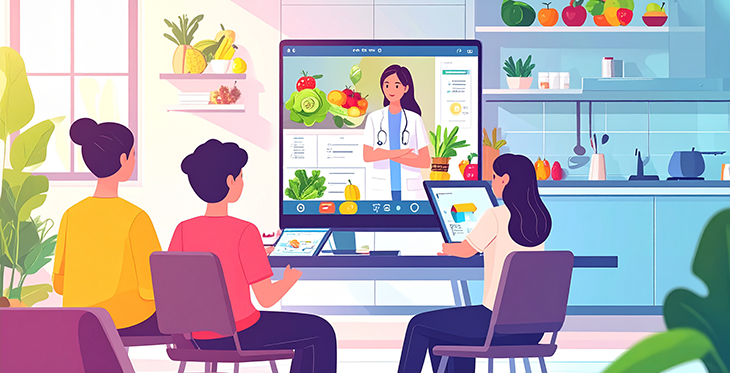
Managing your nutrition doesn't always require a trip to the doctor’s office. Whether you are looking to improve your daily habits or managing a chronic condition, "telenutrition", nutrition care delivered via phone or video, is making healthy living more accessible than ever.
Here is how you can use digital tools to transform your health, along with resources for providers looking to expand their virtual services.
Why Telenutrition is a Game Changer
For many, the biggest barriers to healthy eating are time and location. Telenutrition removes these hurdles by allowing you to meet with Registered Dietitians or nutritionists from the comfort of your home. This is especially impactful for those living in rural areas or managing busy schedules.
Beyond just convenience, virtual care offers unique advantages:
- Virtual Grocery Shopping: Some providers now offer sessions where they "join" you via video while you shop online or in-store to help you compare labels in real-time.
- Home Kitchen Tours: A dietitian can see exactly what’s in your pantry and suggest "healthy swaps" for the ingredients you already have.
- Interactive Cooking Classes: Many programs now offer live demonstrations to help you build confidence in preparing affordable, healthy meals.
Learn more about how telenutrition reduces chronic disease and obesity in local communities.
Tips for a Successful Virtual Visit
If you’re ready to start your nutrition journey online, a little preparation goes a long way. To get the most out of your appointment:
- Track Your Data: Use mobile apps to log your meals or fitness trackers to share activity levels with your provider.
- Check Your Tech: Ensure you have a stable internet connection and a private space for your video call.
- Involve the Family: Since healthy eating is often a household effort, consider having family members join the call if they help with meal prep or shopping.
Check out this guide on how to use telehealth to improve your eating habits.
For Providers: Building a Digital Nutrition Practice
For healthcare professionals, integrating telenutrition isn't just about moving a meeting to Zoom; it’s about using data to provide more personalized care. By utilizing Remote Patient Monitoring (RPM) and AI-powered tools, providers can see real-time trends in a patient’s glucose levels or weight, allowing for immediate adjustments to a care plan.
Key strategies for providers include:
- Co-creating Action Plans: Use virtual collaboration to ensure the plan reflects the patient's actual daily routine.
- Leveraging Patient Portals: Use secure messaging for food logs and symptom diaries between visits.
- Utilizing Licensure Compacts: Many states now participate in the Dietitian Licensure Compact, making it easier to see patients across state lines.
Detailed guides are available for setting up a telenutrition strategy and preparing patients for virtual care.
Sustainable Health for Everyone
Telenutrition is more than a trend; it’s a powerful tool for long-term behavior change. By meeting patients where they are, both emotionally and physically, providers can help individuals build sustainable habits that last a lifetime.
For a comprehensive overview, download the Telehealth for Nutrition Quick Guide.