



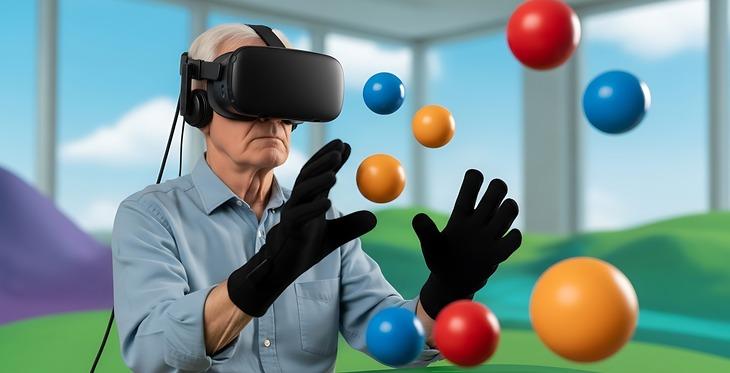
For many years, video games were viewed primarily as a source of entertainment and, in some cases, a contributor to social isolation and excessive screen time. Today, however, researchers, clinicians, and healthcare organizations are increasingly recognizing that video games can serve a much broader purpose. From supporting mental health and fostering social connections to enhancing telerehabilitation and digital therapeutics, video game technologies are emerging as valuable tools that may help improve health outcomes and patient engagement. As healthcare becomes increasingly digital, the intersection of gaming and health is creating new opportunities for innovation.
One of the most overlooked benefits of video games is their ability to facilitate meaningful social interaction. Modern gaming is often a highly social activity that connects individuals across geographic boundaries through collaboration, communication, and shared experiences. For individuals with social anxiety, autism spectrum disorders, physical disabilities, or other conditions that make traditional social interactions challenging, online gaming communities can provide a safe environment to build friendships and develop social skills. During the COVID-19 pandemic, these virtual communities became an important source of connection when face-to-face interactions were limited. For many individuals, gaming platforms provided not only entertainment but also a sense of belonging and emotional support during a period of unprecedented social isolation.
Beyond social engagement, video games are increasingly being explored as tools for mental health support and education. Interactive digital experiences can help individuals develop coping skills, improve attention, increase motivation, and engage more actively in therapeutic activities. Video games also possess a unique ability to tell immersive stories that foster empathy and understanding. A notable example is Hellblade: Senua’s Sacrifice, a game developed with input from neuroscientists, psychiatrists, and individuals living with psychosis. Through its innovative use of visual and auditory experiences, the game allows players to better understand the challenges faced by individuals experiencing psychotic symptoms. The project received widespread recognition, including an award from the Royal College of Psychiatrists, for its contribution to mental health awareness and public education.
The healthcare applications of video games extend beyond mental health and into the growing field of telerehabilitation. Clinicians and researchers are increasingly incorporating game-based technologies into home-based rehabilitation programs to improve patient engagement and adherence. Traditional rehabilitation exercises can be repetitive and difficult to sustain over long periods of time, leading many patients to discontinue therapy prematurely. By integrating game elements such as goals, feedback, rewards, and progress tracking, rehabilitation activities can become more engaging and motivating. Exergames and interactive rehabilitation platforms have been used to support individuals recovering from neurological disorders, cardiovascular conditions, musculoskeletal injuries, and other chronic health conditions. These technologies are particularly valuable in remote care settings, where they can provide patients with real-time feedback and encourage continued participation outside of traditional clinical environments.
As telehealth continues to expand, video game technologies may play an increasingly important role in the delivery of personalized, accessible, and patient-centered care. Advances in virtual reality, motion tracking, wearable sensors, and artificial intelligence are creating new opportunities to combine gaming with remote monitoring and rehabilitation. Rather than viewing video games solely through the lens of risk, healthcare professionals should recognize their potential as tools for education, social connection, mental health support, and rehabilitation. Like any technology, their impact depends on how they are designed and used. When thoughtfully integrated into healthcare, video games have the potential to improve engagement, enhance treatment outcomes, and help bridge the gap between clinical care and everyday life. The future of digital health may not only be connected and intelligent—it may also be interactive and fun.
References
- McGonigal J. Reality Is Broken: Why Games Make Us Better and How They Can Change the World. New York: Penguin Press; 2011.
- Fleming TM, Bavin L, Stasiak K, et al. Serious games and gamification for mental health: Current status and promising directions. Frontiers in Psychiatry. 2017;7:215. doi:10.3389/fpsyt.2016.00215
- Bonnechère B, Jansen B, Omelina L, Van Sint Jan S. The use of commercial video games in rehabilitation: A systematic review. International Journal of Rehabilitation Research. 2016;39(4):277–290.